
When a new tool or process changes how a team works, employees need time to find their footing. Methods relied on for years may need adjustment, and knowing what to change can take trial and error.
Learning agility helps employees draw on experience, question old habits, and adapt effectively. But developing it takes reflection, feedback, and a willingness to try new approaches.
For HR and L&D teams, the challenge is creating the conditions for employees to put what they’ve learned into practice, especially when familiar ways of working no longer fit.
TL;DR
- Learning agility helps employees take lessons from past experiences and use them to tackle unfamiliar challenges, rather than relying on approaches that worked before.
- Its five dimensions are mental agility, people agility, change agility, results agility, and self-awareness.
- Assess learning agility by giving people new challenges, asking for their reflections, and gathering feedback from managers and peers to see how well they apply lessons.
- Build learning agility through hands-on practice, regular feedback, and support for employees as they move beyond familiar habits. Managers and leaders can reinforce this by modeling how they learn from experience and apply those lessons to new challenges.
What is learning agility?
Learning agility is the ability and willingness to learn from experience and apply those lessons in new or unfamiliar situations.
Agile learners reflect on what worked, listen to feedback, and adjust their approach. For example, a manager who struggled with a stalled project might use those insights to organize a new team more effectively.
While training builds knowledge, learning agility shows up in how someone applies what they’ve learned to new challenges.

What are the five dimensions of learning agility?
Learning agility is commonly described through five dimensions: mental agility, people agility, change agility, results agility, and self-awareness. These dimensions work together rather than in a fixed sequence, with employees often drawing on several when facing unfamiliar challenges.
Mental agility
The first dimension, called mental agility, is about how an individual approaches tricky, unfamiliar problems. A person with strong mental agility stays curious, questions assumptions, and explores different angles before jumping to conclusions.
| A customer support lead notices that unclear instructions are driving repeat questions. They test a clearer response format and track the results. Later, when product returns increase, they draw on that experience to investigate whether confusing product information is contributing to the problem while considering other possible causes. |
People agility
People agility means learning from different perspectives and adjusting communication and collaboration accordingly.
| A manager notices that quieter colleagues contribute more when they can share feedback in writing. After seeing how this improves team discussions, they introduce shared notes when joining a new team. They then gather feedback and adjust the approach to suit the new team’s preferences. |
Change agility
The change agility dimension refers to someone’s capacity to try out new ideas and adjust their habits as things shift around them.
| An employee learns from a difficult software rollout that testing changes early can prevent problems. When introducing a new tool, they apply that lesson by piloting it on a smaller project, gathering feedback, and refining the process before a wider rollout. |
Results agility
Strong results agility involves applying lessons from experience to achieve outcomes in unfamiliar or challenging situations.
| After a delayed product launch, a project manager learns to identify dependencies earlier. When they take on an unfamiliar project with a tight deadline, they apply that lesson to spot risks and keep the team on track. |
Self-awareness
Strong self-awareness influences learning agility. It means recognizing strengths, limitations, and their impact on others, then using feedback to improve.
| After receiving feedback that they dominate project discussions, a manager recognizes the need to give others more space to contribute. When leading a new working group, they apply that lesson by inviting colleagues to share their views before offering their own. |
Why is learning agility important in the workplace?
As roles, technologies, and business priorities evolve, organizations need employees who can handle challenges their previous training may not have prepared them for. Learning agility helps teams solve unfamiliar problems, improve how they work, and build the capabilities needed for changing responsibilities.
It also supports continuous improvement. Rather than relying on established methods, employees can use feedback and experience to find better ways of working. Over time, this can help organizations respond to change and improve performance without relying on formal training for every new challenge.
Managers face the added pressure of guiding others through uncertainty. An approach that worked with an experienced team might fall short with new hires. Adapting based on experience helps leaders respond more effectively as team needs evolve.
This is particularly important because the pace of workplace change can outstrip what formal training alone can address.
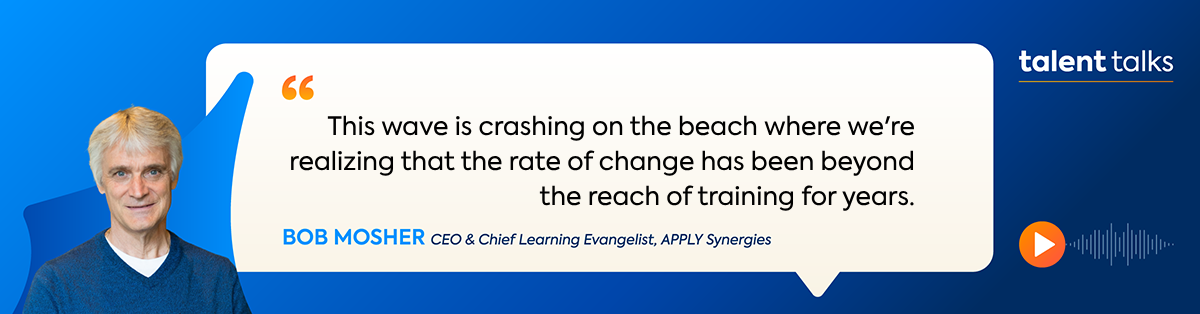
Talent Talks (Season 4, Episode 6) Self-directed learning: Why your employees are training themselves
For HR and L&D teams, tracking course completion indicates who’s finished training, but it doesn’t show whether employees can apply what they’ve learned. Real growth happens when employees unlearn outdated habits, develop new skills, and apply them on the job. That’s what turns learning into meaningful behavior change.
How to assess learning agility in employees
A learning agility assessment should look at how employees respond to unfamiliar challenges, act on feedback, learn on the go, and apply lessons from previous experiences. Capturing these behaviors requires a combination of workplace observations, practical exercises, and feedback from others, rather than relying on a single test or measure.
| Dimension | What to look for | How to assess |
| Mental agility | Questions assumptions and considers different explanations. | Give an unfamiliar problem and ask the employee to explain their reasoning. |
| People agility | Learns from others and adjusts communication. | Gather peer feedback about how an employee responds to different perspectives. |
| Change agility | Experiments and revises familiar methods. | Observe an employee’s approach during a process change or stretch assignment. |
| Results agility | Applies past lessons to achieve outcomes in new circumstances. | Review an unfamiliar assignment with an employee and discuss which lessons informed their decisions. |
| Self-awareness | Recognizes limitations and acts on feedback. | Compare self-reflection with manager observations and follow-up actions. |
Note: These suggested methods help gather evidence and support development conversations. They don’t constitute a validated learning agility assessment.
Here are a few more practical ways to assess learning agility in the day-to-day:
Ask behavioral and situational questions
Past experiences can reveal how employees learn from challenges and whether they carry those lessons into new situations.
Behavioral questions are designed to uncover what employees have actually done, while situational questions help explore how they might approach an unfamiliar problem.
Questions could include:
- Tell me about something you learned from a mistake or setback. How did you apply that lesson when facing a different challenge?
- Describe a time someone’s feedback led you to change your approach.
- If a familiar process stopped working on a new project, how would you investigate and respond?
While hypothetical answers offer insight into how employees think, real examples provide stronger evidence of how they’ve applied lessons from experience. Follow-up questions can help establish what employees learned, what they changed, and whether they’ve applied those lessons in other situations.
Observe employees in new situations
When priorities shift or employees take on new roles, observe how they seek information, test ideas, and handle setbacks.
Afterward, ask which past experiences influenced their decisions, what they learned from the task, and how they might apply those lessons to future challenges.
Gather feedback and assess development needs
After employees complete a new assignment, encourage them to reflect on what went well, what they learned, and what they’d do differently next time. Compare their reflections with feedback from colleagues to identify strengths and areas for development.
For example, if an employee struggles to explain a new process, peer feedback might reveal a need for additional support, such as targeted communication training.
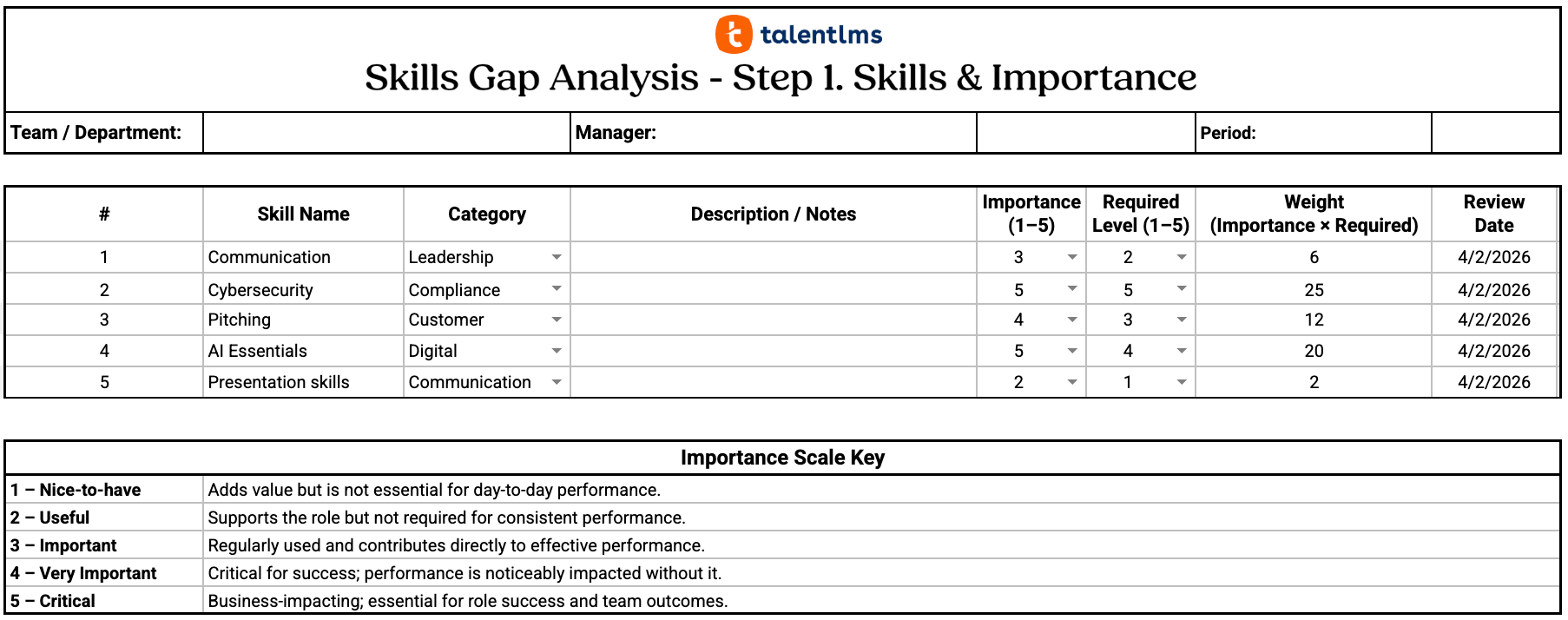
An employee adaptability template can help structure these conversations, while a skills gap analysis template can help identify and track development priorities. Once a development need is clear, focus on improving one behavior at a time.
How to develop learning agility at work: 6 practical strategies
Everyday work offers plenty of opportunities to build learning agility. HR and L&D teams can help employees make the most of these experiences by supporting hands-on learning, reflection, and feedback. Managers can reinforce this learning by helping employees apply what they’ve learned to new challenges.
Here are six practical ways to make learning agility part of everyday work.
- Encourage curiosity and continuous learning
One way to develop learning agility at work is to make room for employees to observe how other people work. A customer support employee, for example, could spend time with the product team to learn how they investigate recurring issues. Then apply a similar approach to identifying the causes of repeated customer complaints.
Building a learning culture also means creating an environment where employees feel comfortable questioning familiar processes. Managers can encourage this curiosity by listening to employees’ observations. And by giving them opportunities to test new ideas out on a small scale.
- Create opportunities to learn through experience
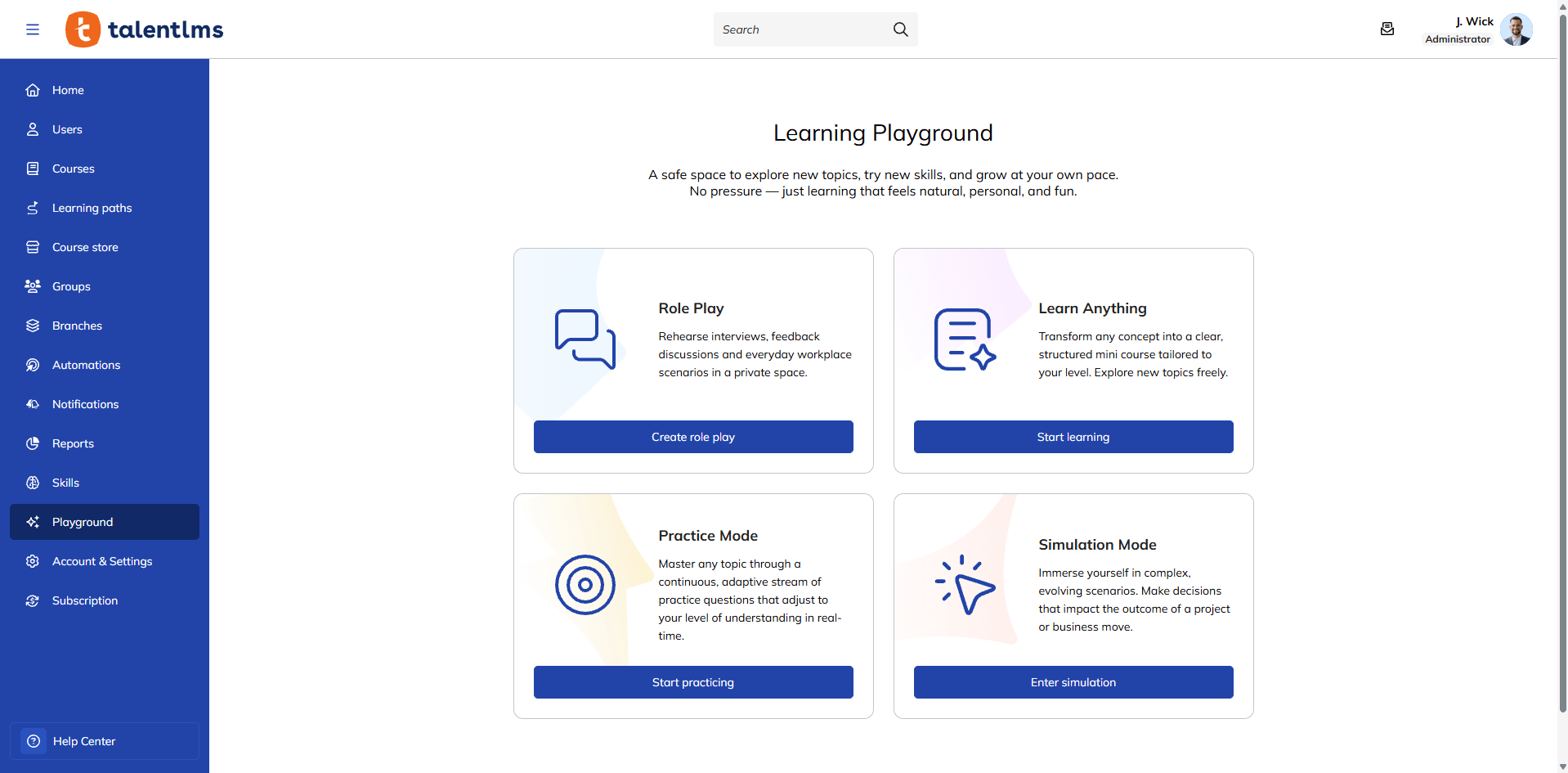
Stretch assignments give employees opportunities to apply what they’ve learned to unfamiliar challenges. HR and L&D teams can also introduce experiential training methods, such as simulations or self-led practice, that allow employees to experiment before taking on new responsibilities.
For someone preparing to handle difficult client conversations, that might mean rehearsing different responses and techniques in a low-pressure setting. Tools like TalentLMS’s Learning Playground can support this kind of practice before employees apply what they’ve learned in real interactions.
- Build reflection and feedback into everyday work
Reflection helps employees turn everyday experiences into practical lessons. HR and L&D teams can encourage managers to make it part of regular check-ins, discussing what employees expected to happen, what actually occurred, and what they’d do differently next time.
When a project handoff causes confusion, for example, feedback from the receiving team can help identify what needs to change. Employees can then test an improved approach on another project and reflect on the results.
- Help employees unlearn and relearn
Developing learning agility sometimes means letting go of methods that have worked well for years. Experienced employees may find this particularly challenging because established ways of working can feel natural and effective. Even highly capable employees may need time, targeted support, and opportunities to practice new approaches.
HR and L&D teams can start by identifying which habits need to change, explaining why, and helping employees build on their existing experience.
Take a customer support employee who’s used to writing every response from scratch. As AI-assisted tools become part of their workflow, they may need to shift from drafting responses themselves to reviewing and improving AI-generated suggestions, ensuring they’re accurate, helpful, and appropriate for each customer.
By applying this approach in real customer interactions and refining it based on feedback, employees can gradually make the new skill part of their everyday work. A broader change management strategy can help reinforce the transition across the organization.
- Encourage managers and leaders to model learning agility
Managers and leaders can encourage learning agility by showing it in their own work. For example, after a difficult meeting, a manager might ask a colleague for feedback and use their suggestions to approach the next discussion differently.
They can also show learning agility by questioning their assumptions and being open about decisions they’ve reconsidered. Explaining what changed and why shows employees that adjusting their approach is a natural part of learning.
Another way managers can lead by example is to adapt their management style based on their team’s needs. A manager who realizes that their hands-on approach is limiting an experienced team’s independence might step back, give employees more ownership, and use their feedback to refine how they lead.
When managers show they’re willing to learn from mistakes, let go of familiar approaches, and try something different, they encourage their teams to do the same.
- Reinforce and measure learning in practice
Developing learning agility doesn’t end when employees complete training or try a new approach. HR and L&D teams also need to help employees build on what they’ve learned and make new behaviors part of their everyday work.
Managers can reinforce learning by recognizing when employees successfully try new approaches and encouraging them to apply what they’ve learned in different situations. Rather than focusing on a single successful outcome, look for signs that employees are consistently applying lessons from previous experiences to new challenges.
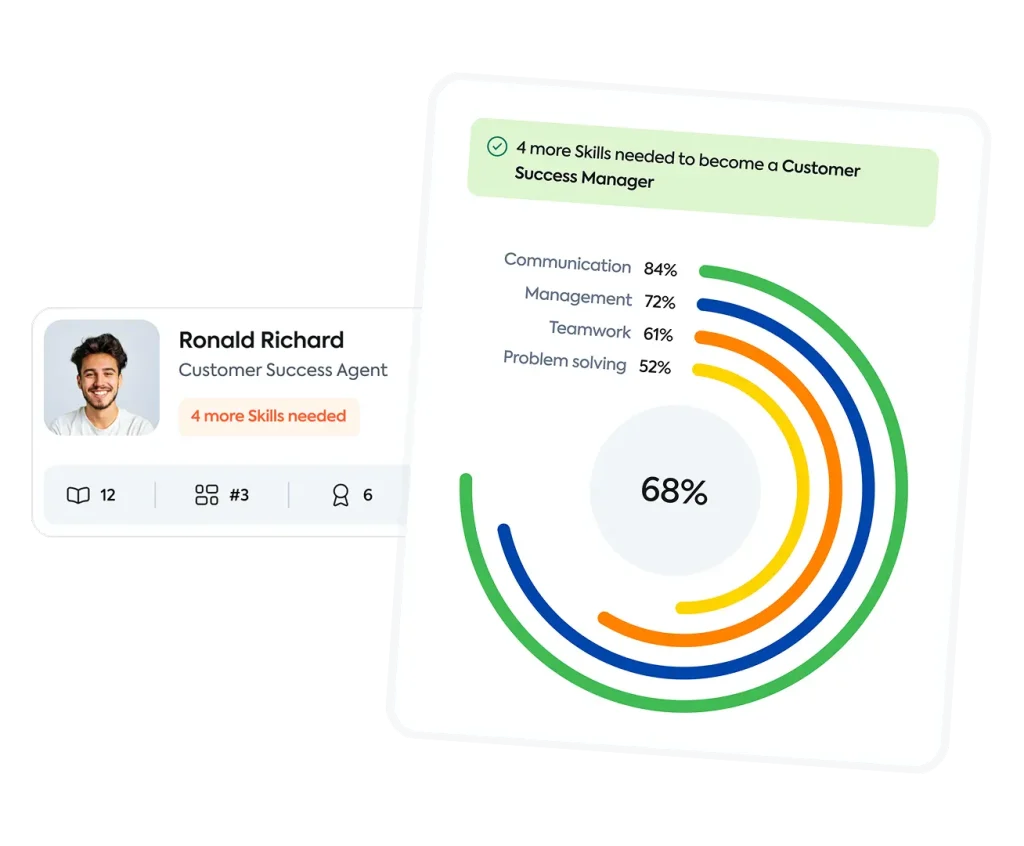
Skills mapping functionality can help L&D teams track developing capabilities and identify areas where further support is needed. Learning paths can then provide structured follow-up learning as employees build their skills.
To measure progress, combine these insights with feedback from managers and employees, paying attention to changes in how people approach unfamiliar tasks, respond to setbacks, and adapt based on what they’ve learned.
The goal isn’t simply to track training completion, but to understand whether learning is leading to lasting behavior change.
Put learning agility into everyday practice
Developing learning agility doesn’t require a new training program for every challenge. It starts with giving employees opportunities to try unfamiliar tasks, reflect on what they’ve learned, and put those lessons to work.
For HR and L&D teams, a practical starting point is to identify a challenge employees already face. Build in opportunities to experiment, gather feedback, and apply what works to the next task. Encourage managers to model the same behaviors and support employees as they test new approaches.
The goal isn’t simply to help employees learn more. It’s to make sure what they learn changes how they work.
FAQs
What is an example of learning agility?
An example of learning agility is when a salesperson learns that asking follow-up questions helps solve customer issues. Later, when leading an internal project, they use that same technique to understand colleagues’ concerns before offering solutions.
What are the five factors of learning agility?
The five factors of learning agility are mental agility, people agility, change agility, results agility, and self-awareness. Each describes a different aspect of how people learn from experience and respond to unfamiliar situations.
How do you measure learning agility in employees?
You can measure learning agility by combining observations from new tasks with employee reflection, peer feedback, and practical exercises. Look for signs that employees act on feedback and apply lessons across different situations, then revisit these behaviors over time to track progress.
Can learning agility be developed?
Yes, learning agility can be developed. Employees and managers can strengthen learning agility by trying unfamiliar tasks, seeking feedback, and reflecting on the results. Applying those lessons to another challenge gives them further opportunities to practice and adjust.
What’s the difference between learning agility and adaptability?
Adaptability involves responding effectively to change. Learning agility specifically involves learning from experience and applying those lessons in unfamiliar situations. Learning agility can support adaptability by helping someone draw on previous experiences when deciding how to respond.