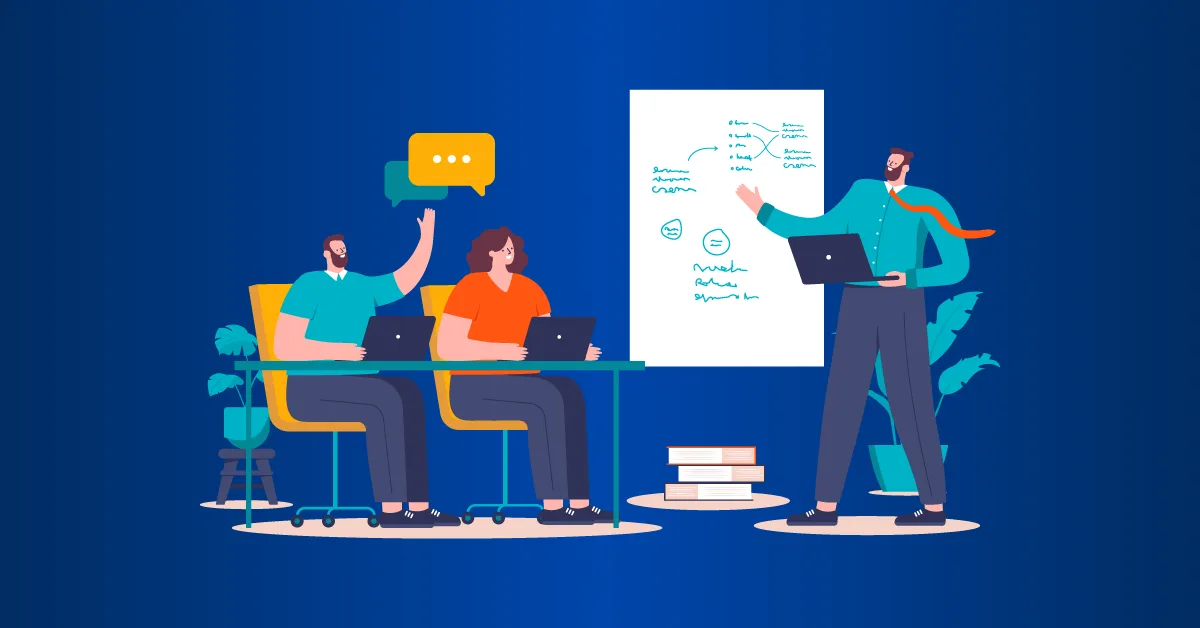

Picture this. A customer service team is trained to use a new ticketing system. During training, employees learn how to log requests, track progress, and resolve issues using the new workflow. Then, they’re back at work, and many return to their old habits. They still keep notes in spreadsheets, send emails, and handle requests the way they always have. They know how to use the new system. But they aren’t using it consistently.
That’s the problem Learning and Development professionals try to solve. Training gets completed, but the behavior stays the same. According to Habit hugging: When old habits block new ways of working, 65% of employees agree that letting go of an old habit is harder than learning a new one. Something has to replace the old habit, and that takes time and conscious effort.
Behavior change depends on more than remembering the course material when training finishes. Employees must recognize when the current workflow no longer serves them. Employees need to practice new skills until they become part of their daily work. L&D teams need to make the new approach easy and relevant enough to make the transition successful.
TL;DR
- Spot the signs that training was completed, but work hasn’t changed.
- Understand what pulls people back to old habits, including why they stay quiet about it.
- Check whether people use new ways of working after they complete training.
- Choose reinforcement that fits the workday, from practice to manager follow-through.
What is behavior change in L&D?
Behavior change in L&D means employees consistently apply new ways of working after training. It’s the difference between completing training and a new default. The old habit stops being used, the new approach becomes how work actually gets done, and performance data shows the shift.
The other half is unlearning. Skip it and old habits pull people back the moment training ends.
Why training alone doesn’t change behavior
Finishing a course doesn’t mean the behavior change follows. After training, people go back to their usual tasks and deadlines. But the tool or process doesn’t always match what the course taught. Here’s what that looks like and what pulls people back.
The signs of behavior reversion
Look for three signs that employees are reverting to their old behaviors:
- The work looks the same as before: If you compare the output before and after training and the errors, rework, and questions haven’t moved, the behavior didn’t change.
- The old tool or process is still in use: 42% of employees still use tools managers think were replaced. Managers see the rollout; they don’t see what’s still running underneath it.
- People work around it and stay quiet: In TalentLMS’s Learning Debt report, 62% of employees use workarounds when they lack the skills or training for a task. In the same research, 47% of employees have stayed quiet about not knowing how to do something. Admitting you don’t know much can feel embarrassing, especially right after training. So people figure it out by themselves. If the work gets done anyway, the gap stays invisible.
What’s pulling people back
So what makes people go back to their old habits? Here are the top three reasons:
1. Time pressure
Under pressure, people default to what they know. 53% of employees say heavy workloads leave little room for learning, according to TalentLMS’s L&D Benchmark Report. When new knowledge has to be applied right away, there’s no room left to absorb it—so people revert.
2. The old way feels easier
Among employees who keep working as before or fall back to it, 55% say the old way feels more familiar, and 48% say it’s faster. Familiarity is the speed: no lookup, no checking, no second thought.
3. Nobody checks during the switch
Managers carry their workload, so verification happens after the fact—if at all. They may also not see the gap. According to TalentLMS’s Skills Visibility report, 90% of managers say they understand their team’s skills, but only 69% of employees agree.
How to reinforce new ways of working
Behavior change follows three steps: unlearn, relearn, and apply.
Reinforcement starts with an honest assessment. Before you pick a new strategy, find out whether people are using what they learned. Then match the support to the gap.
Spot and diagnose the gap
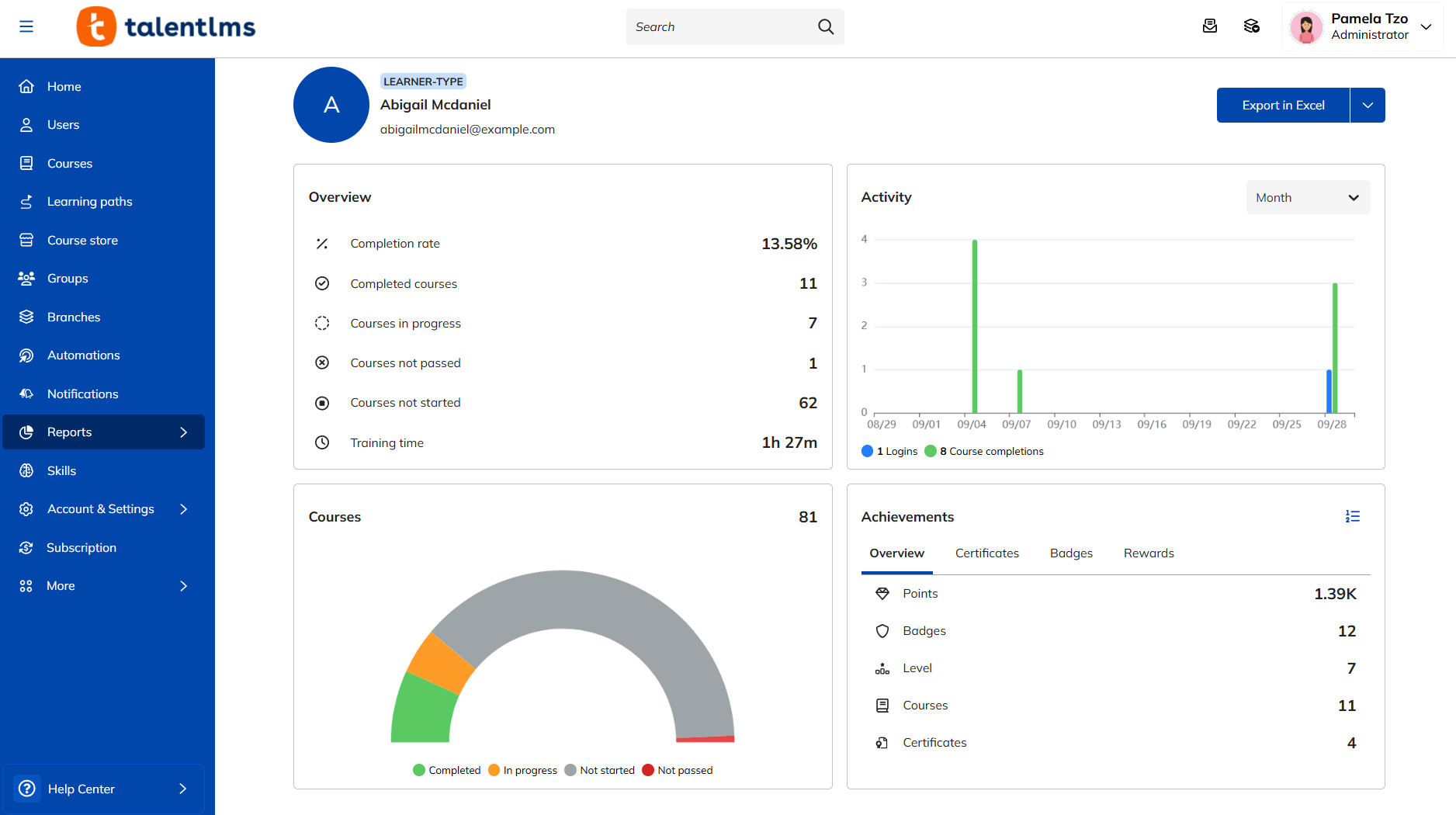
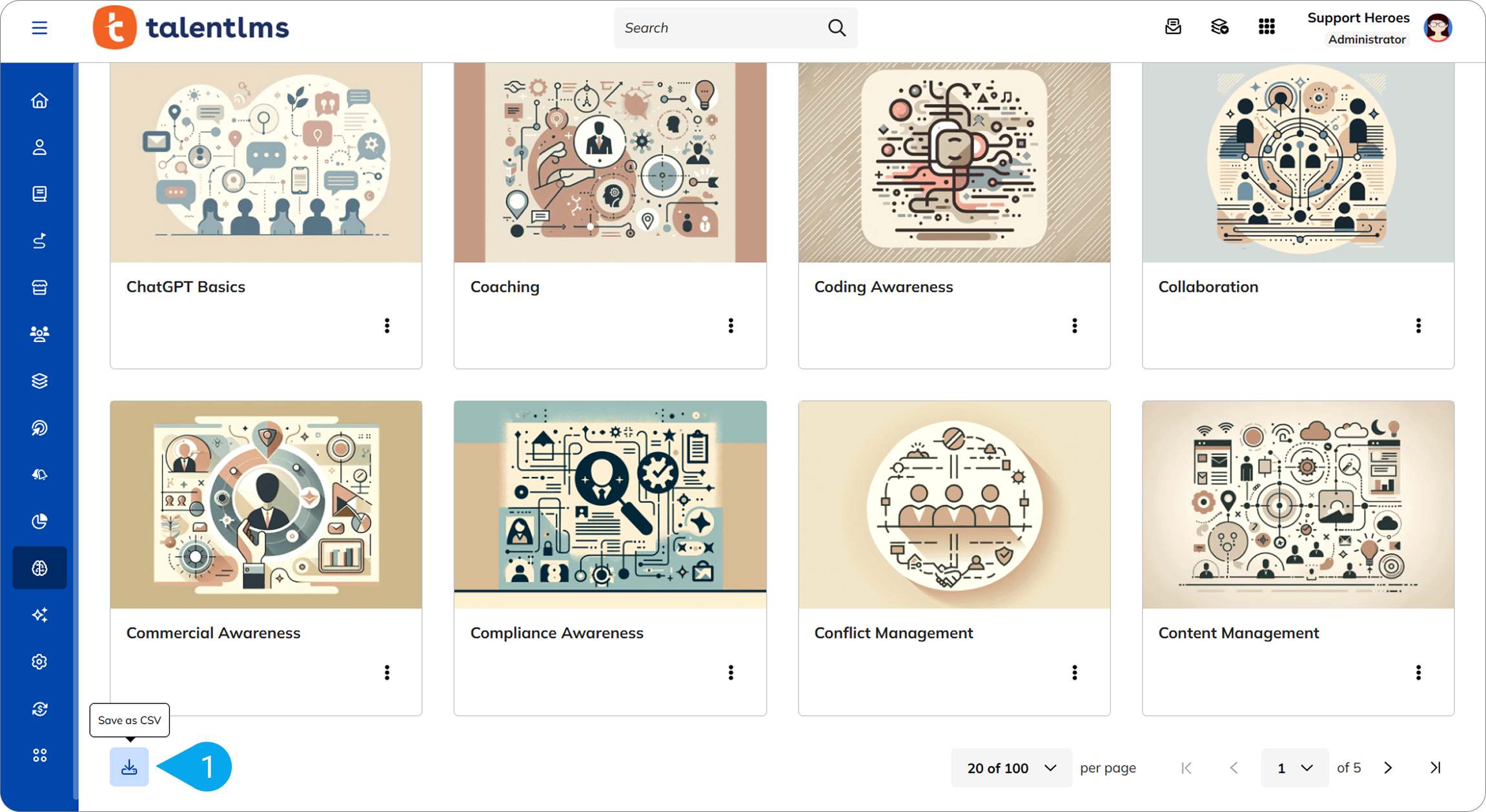
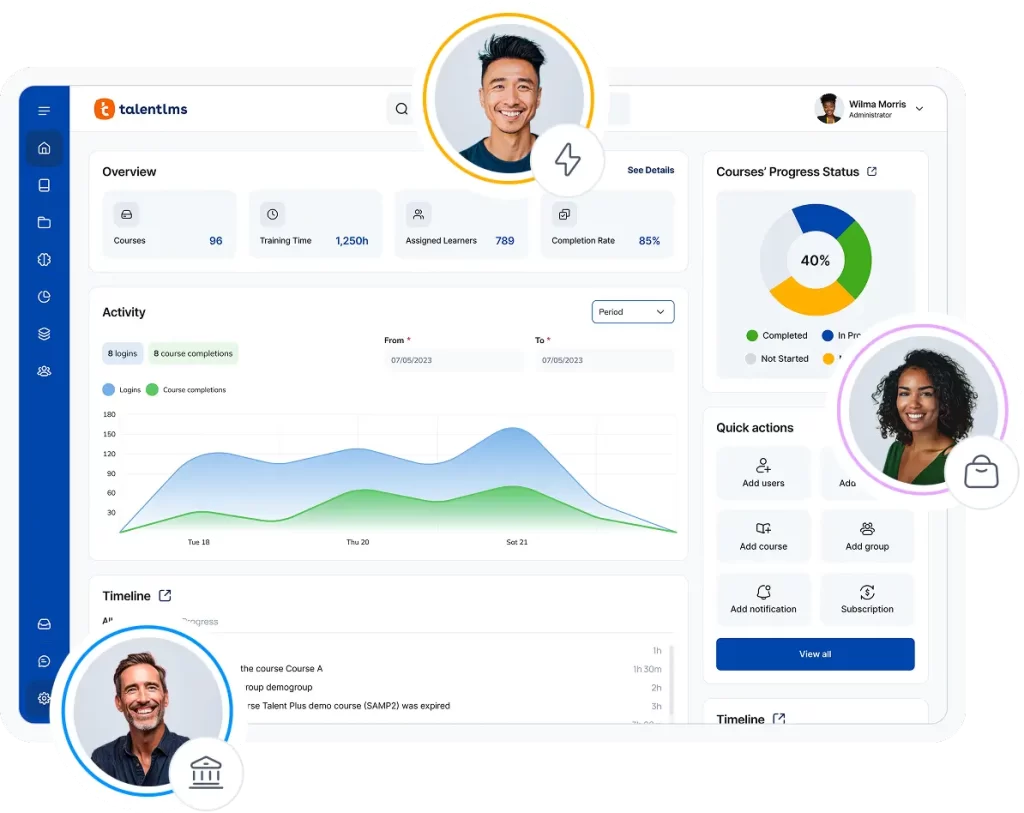
Forty-one percent of employees say their company tracks training completion. Yet, only 36% say it checks whether people use what they learned, and 34% say it assesses whether they understood it. To get a clear idea of who changed how they work, measure training effectiveness along with course completion and progress with Reporting features on your LMS.
The more reliable check is the work itself. On “Solving the training impact mystery” from TalentLMS’s podcast series, Talent Talks, Kevin M. Yates suggests asking what people need to be doing in their workday to hit the business goal. Then, go and check whether they are.
For example, for a customer service team, that means looking at:
- CSAT scores and customer feedback
- Complaint and escalation volume
- A sample of emails and social replies, read for the skills the course covered
- Live calls, where you can hear whether reps reach for the new approach
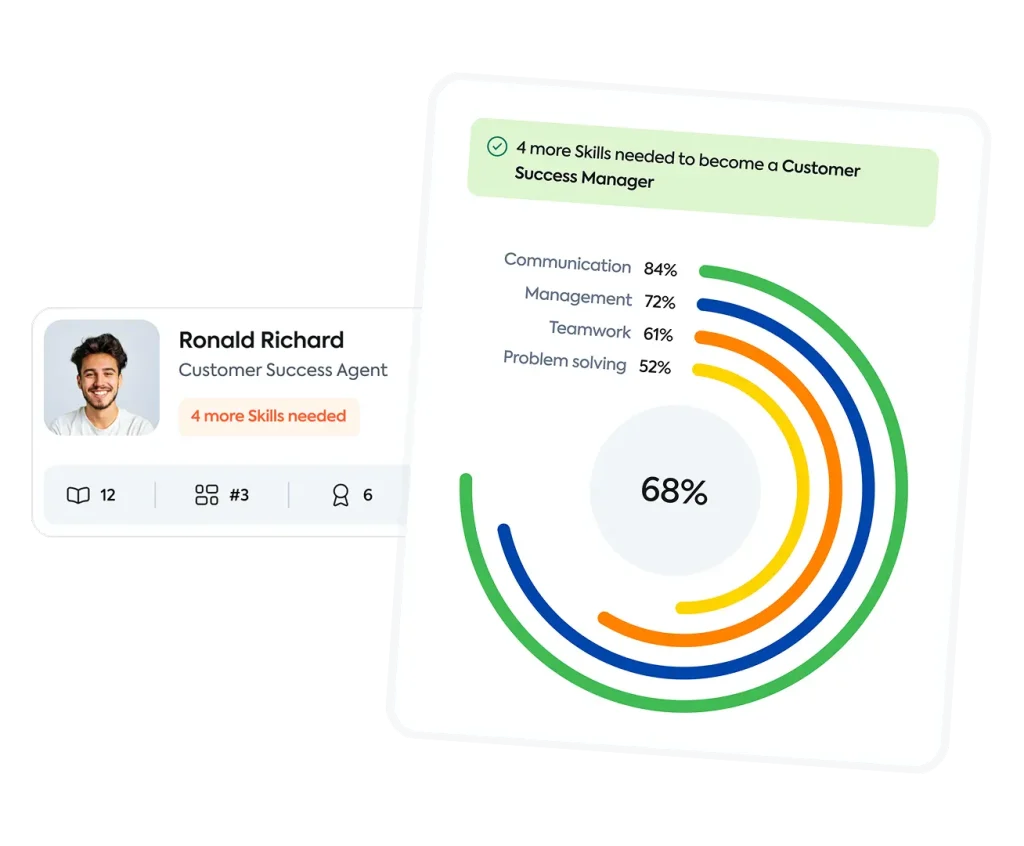
A few samples are enough to see whether the new way is showing up in the work. However, managers can only act on what they can see. Only 51% of employees say their manager knows how often they struggle with the skills their job needs. With features like Skills, managers have a better view of the skills on their team and where the gaps are.
Pro tip: Once you see the gap, ask what’s behind it. If people have no time to practice, build practice into the workday. If they’re still working the old way, follow up quickly rather than waiting for the next review cycle. When people stay quiet, ask first. A gap nobody mentions is still a gap.
Reinforce until it sticks
Reinforcement works best when it fits into employees’ everyday work. This is where people relearn and apply.
Put guidance where the work happens
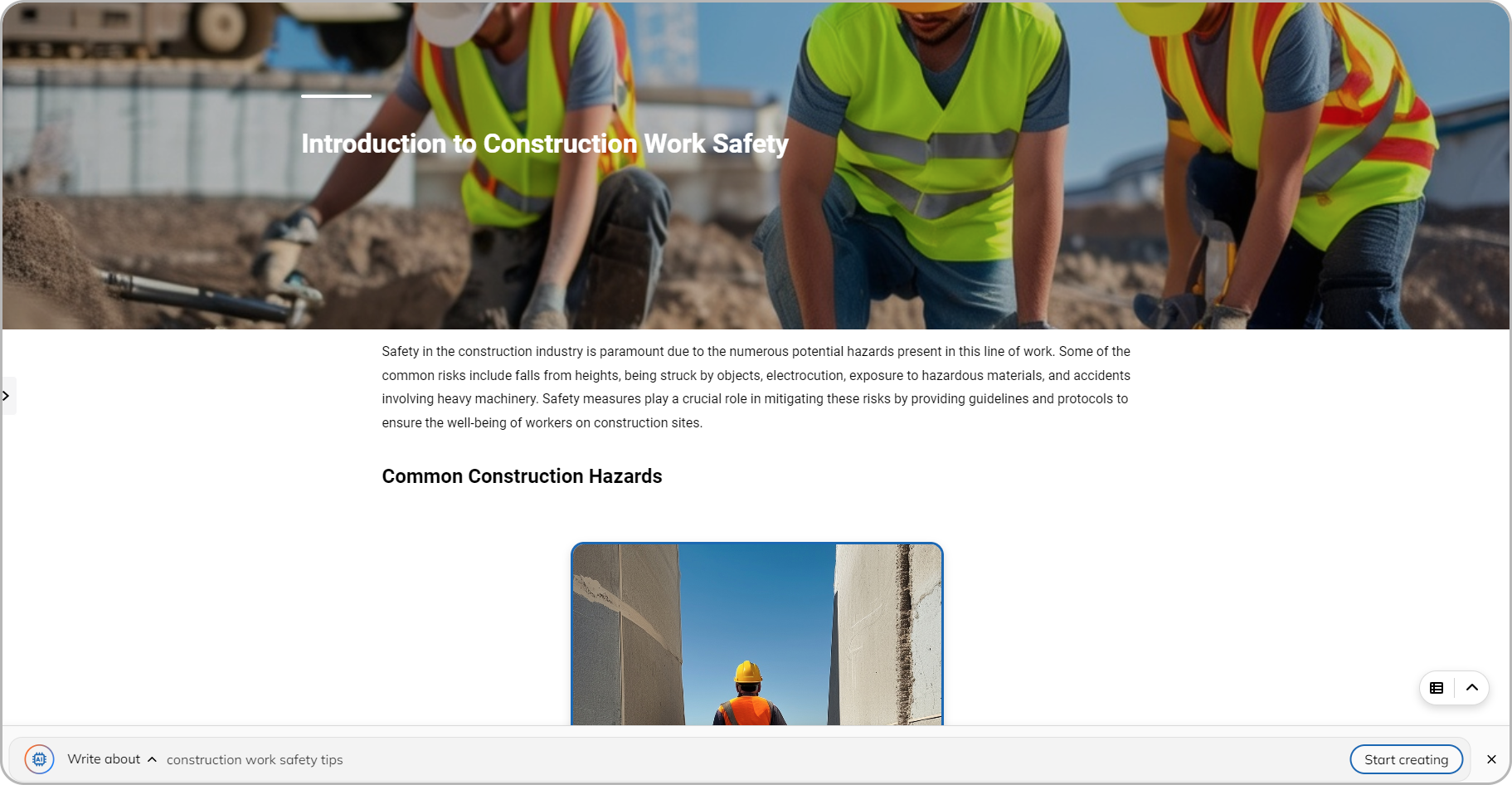
Fifty percent of employees say building new ways of working into the everyday workflow helps. What does this mean in practice? The guidance sits inside the job. For instance, an email template that shows the shape of a good reply, starting with an acknowledgment of the customer. Or a short video inside the tool people already have open, showing how to work through the issue in front of them. With TalentCraft, the AI course creator, you can build short courses from training material you already have.
Give people a safe place to practice
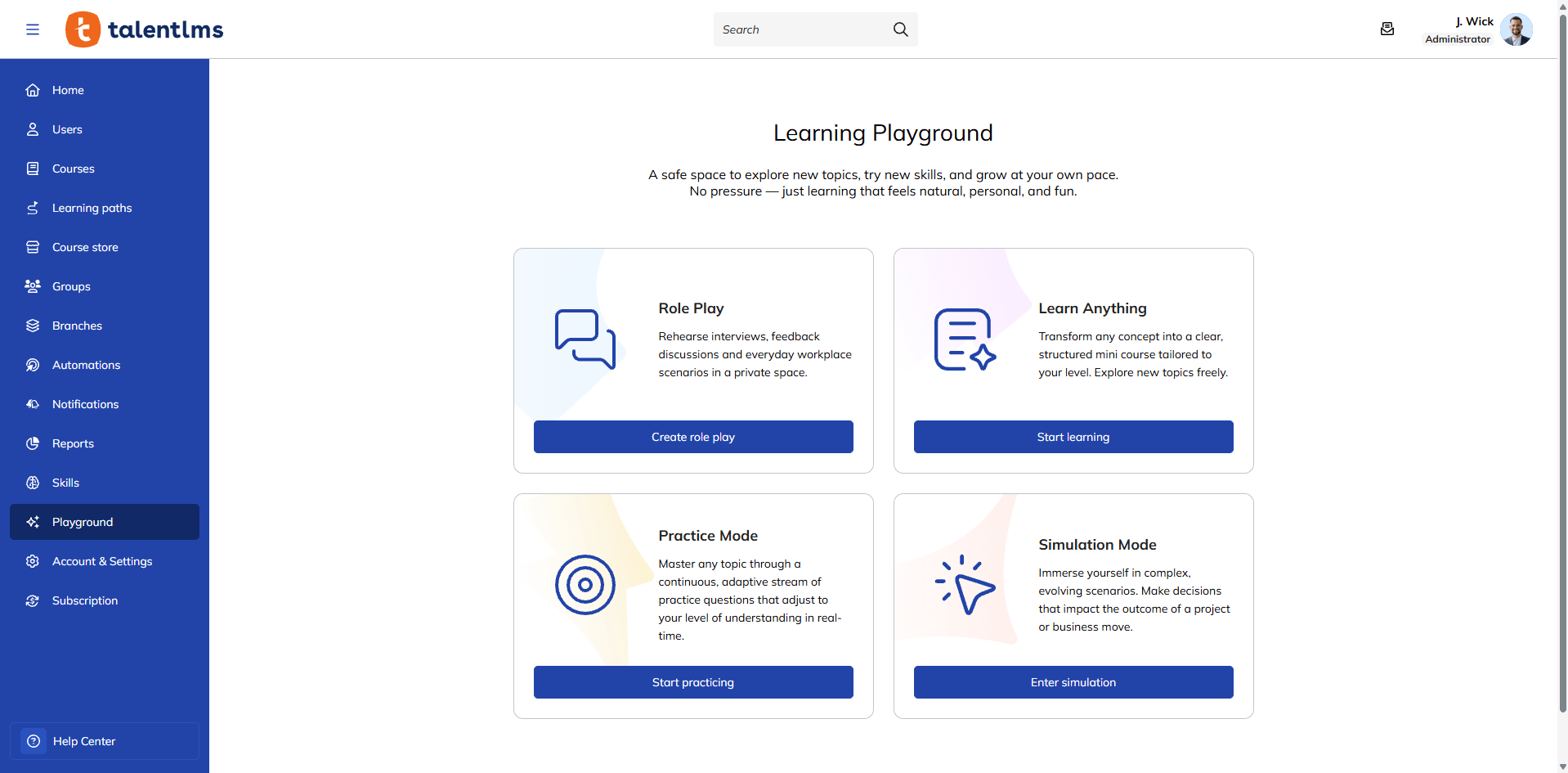
Forty-nine percent say more practice opportunities help. Features like Learning Playground give people AI-powered practice, including role-play, so learners can try the new way before it goes live. Learning Paths can also sequence that practice after each course. And AI Coach provides personalized help at the time of learning.
Make managers part of it
A short weekly catch-up can cover what went well, what customers said, what’s in the way, and what happens next. Managers should also use the new way themselves. In TalentLMS’s Habit Hugging report, consistent adoption runs at 49% when managers model the new way, against 22% when they don’t.
From completion to changed behavior
Training that ends at the certificate leaves people with a new skill and an old habit.
People need time to let the old way go before the new one can take hold, plus guidance on where the work happens, practice before it counts, and a manager in the loop.
FAQs
What is behavior change in L&D?
Behavior change in L&D means employees get better at their jobs by applying new ways of working after training. It also takes unlearning the old way of doing things.
Why doesn’t training change employee behavior?
People apply what they remember, then go back to the old way when they don’t. Many stay quiet, figuring they’ll catch up later.
How do you measure behavior change after training?
Look at the output, even if only occasionally. Pick a few pieces of work at random and compare them against what the training taught.
What role do managers play in behavior change?
Follow-up from a manager reinforces what people learned. A weekly catch-up covers achievements, customer feedback, obstacles, and an action plan.